
Introduction
Head lice infestations are more common than most people think, especially in urban environments like the UAE. Whether you’re a parent, school administrator, or simply someone dealing with lice, understanding the life cycle of head lice is crucial for effective treatment. Many people opt for non toxic lice removal UAE solutions or home lice removal services, but without proper follow-up, the infestation often returns. Even professional lice treatment in Abu Dhabi can fail if the life cycle isn’t fully addressed. In this blog, we’ll break down how lice grow, reproduce, and survive—and why consistent follow-up is the real key to permanent removal.
What Are Head Lice?
Head lice are tiny parasitic insects that live on the human scalp and feed on blood. They spread primarily through direct head-to-head contact and are especially common among children.
Key Facts About Head Lice
- Size: About the size of a sesame seed
- Lifespan: Around 30 days on a human scalp
- Survival: Cannot live more than 24–48 hours off the host
- Eggs (nits): Attached firmly to hair shafts
Understanding the Life Cycle of Head Lice
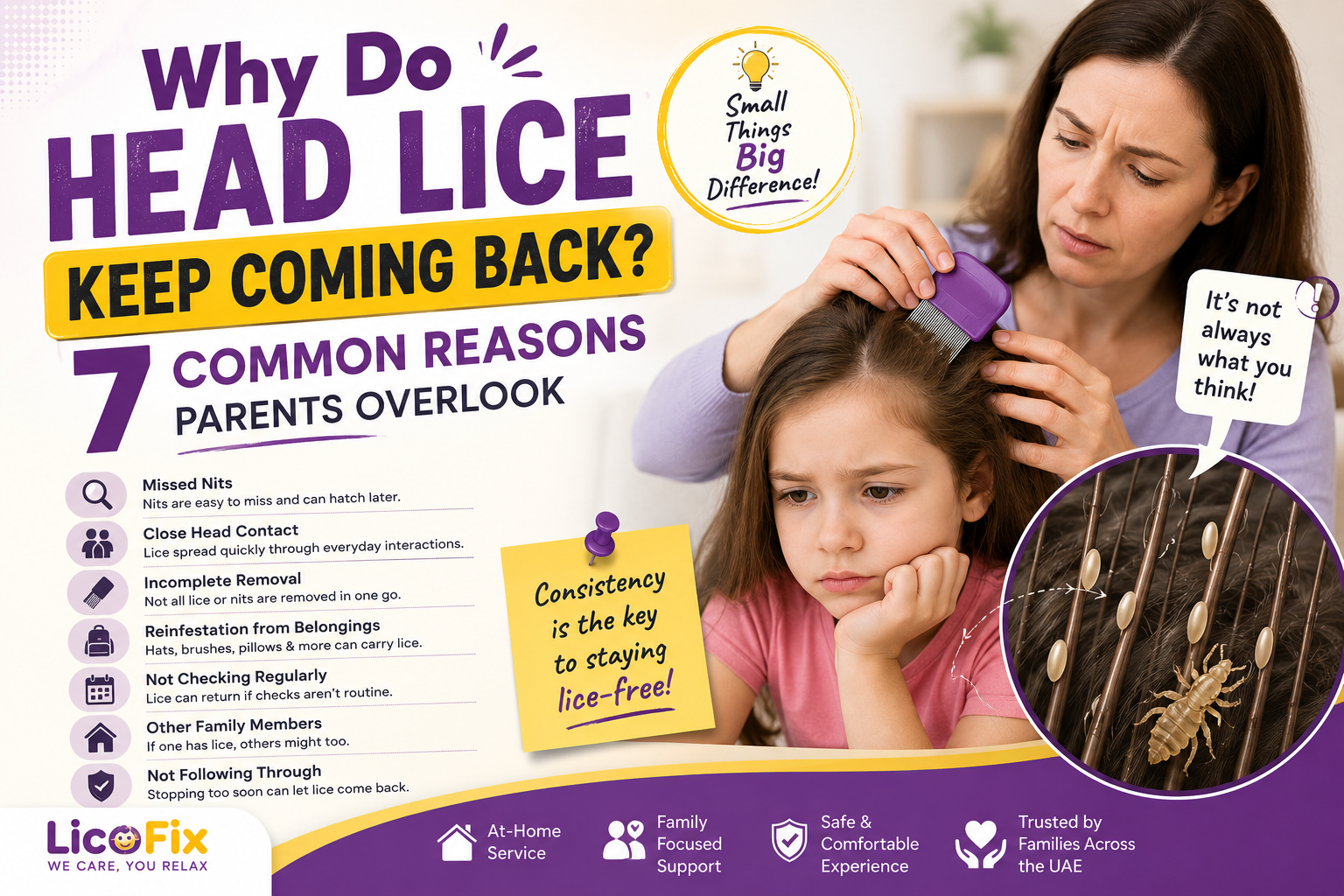
To eliminate lice completely, you must understand their life cycle. Missing even one stage can lead to reinfestation.
1. Egg Stage (Nits)
- Nits are lice eggs laid near the scalp
- They hatch within 7–10 days
- Hard to remove due to strong adhesive
2. Nymph Stage
- Newly hatched lice are called nymphs
- They mature in 7–10 days
- Begin feeding immediately
3. Adult Stage
- Fully grown lice reproduce quickly
- Female lice lay 6–10 eggs per day
- Can live up to 30 days on the scalp
Life Cycle Timeline Table
| Stage | Duration | Key Characteristics |
| Eggs (Nits) | 7–10 days | Attached to hair, hard to see |
| Nymphs | 7–10 days | Small, active, growing |
| Adults | Up to 30 days | Reproduce rapidly |
Why One-Time Treatment Is Not Enough
Many people assume a single treatment will eliminate lice—but this is one of the biggest mistakes.
Here’s Why:
- Most treatments kill live lice, not eggs
- Nits hatch after treatment
- New lice restart the infestation cycle
This is why follow-up treatment is critical.
The Importance of Follow-Up Treatment
Timing Is Everything
A second treatment should be done 7–10 days after the first session. This ensures that:
- Newly hatched lice are eliminated
- The life cycle is fully broken
- Reinfestation is prevented
What Happens Without Follow-Up?
- Eggs hatch into nymphs
- Nymphs grow into adults
- Adults lay more eggs
- Infestation continues
Skipping follow-up = starting from zero again.
Professional vs DIY Lice Treatment
DIY Methods
- Over-the-counter shampoos
- Home remedies
- Manual combing
Challenges:
- Time-consuming
- Often ineffective on nits
- High chance of recurrence
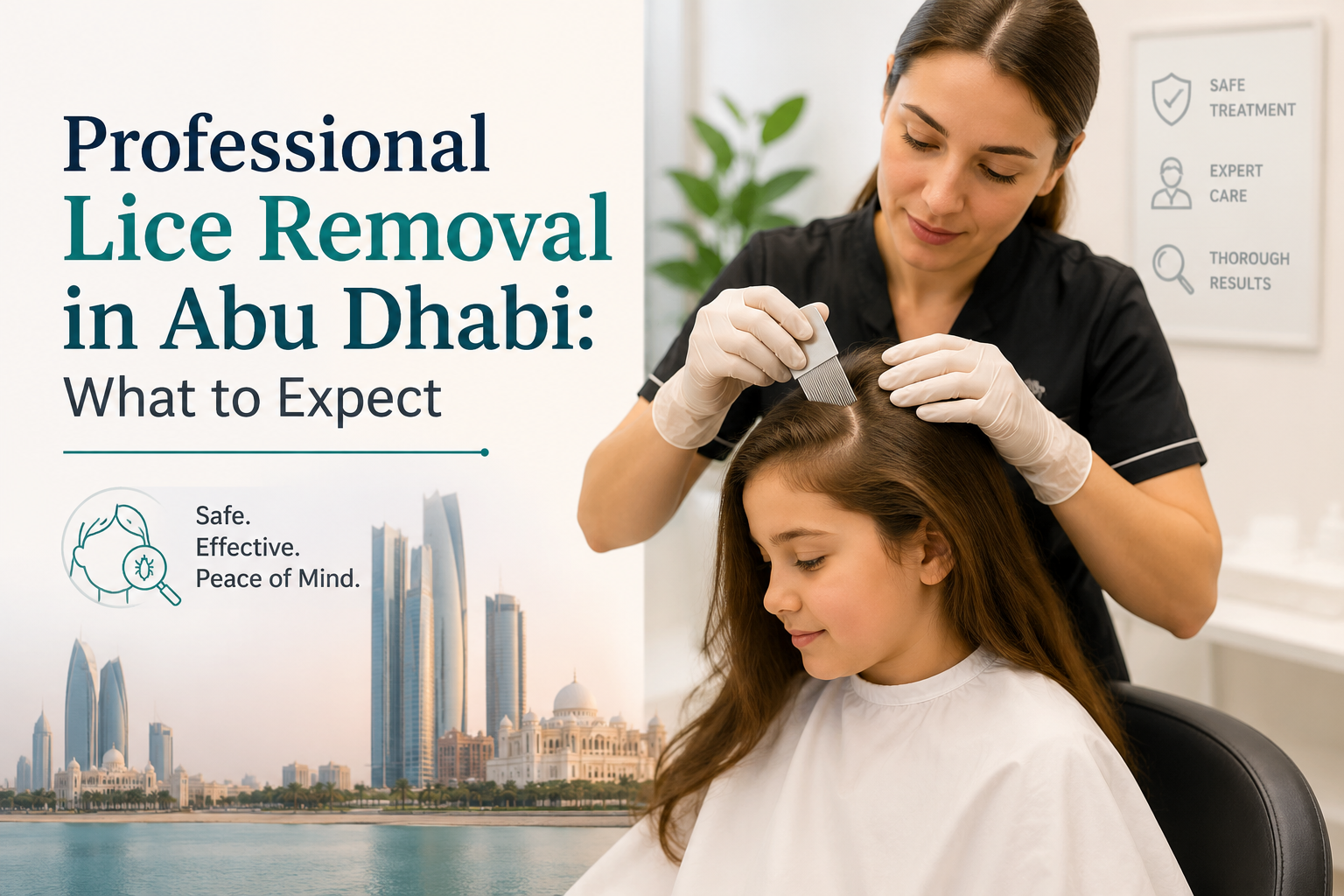
Professional Home Lice Removal Services
Professional services offer:
- Expert detection
- Thorough nit removal
- Safe, non toxic lice removal UAE methods
- Guaranteed follow-up sessions
This significantly reduces the chance of reinfestation.
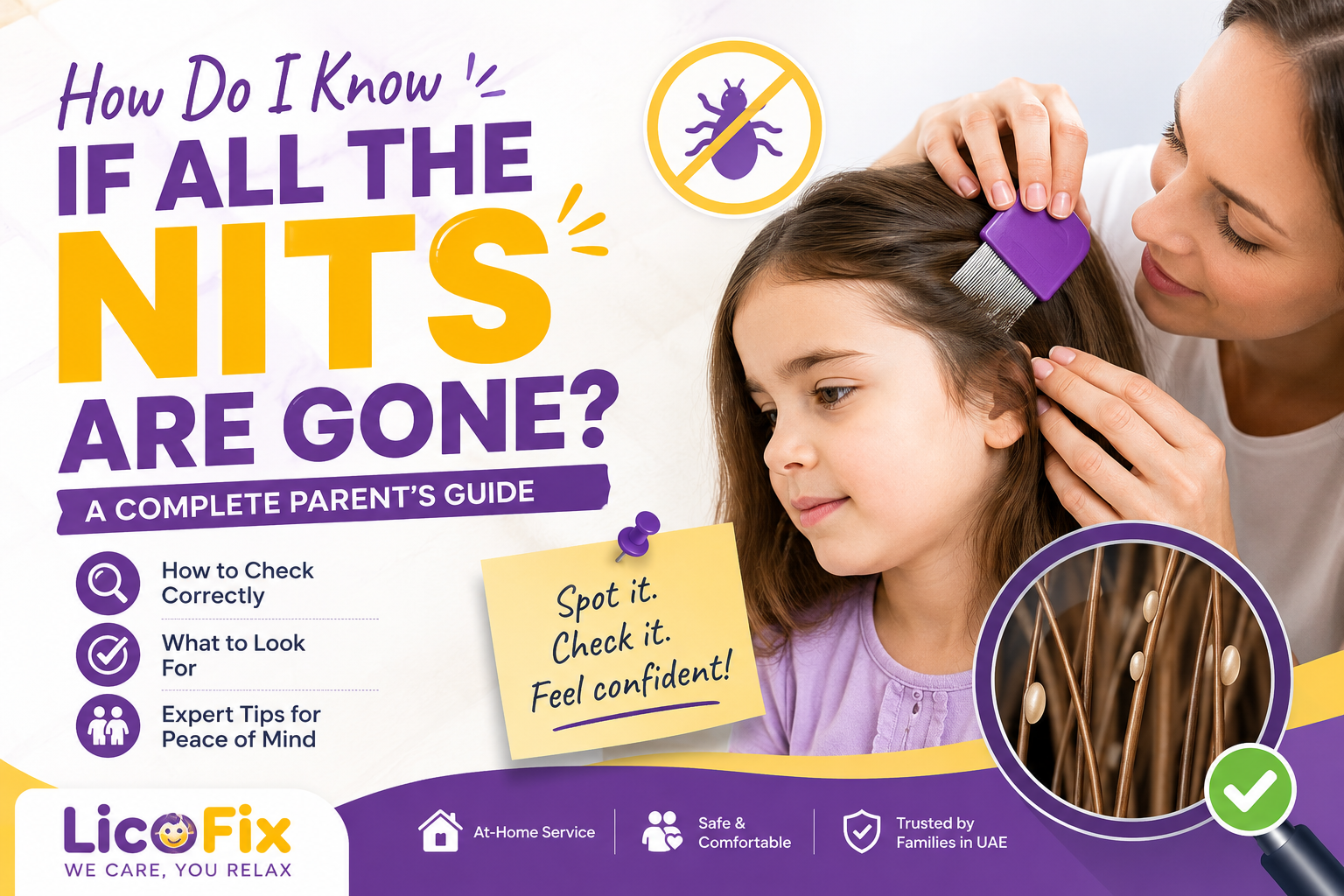
Signs You Still Have Lice After Treatment
Even after treatment, watch for these signs:
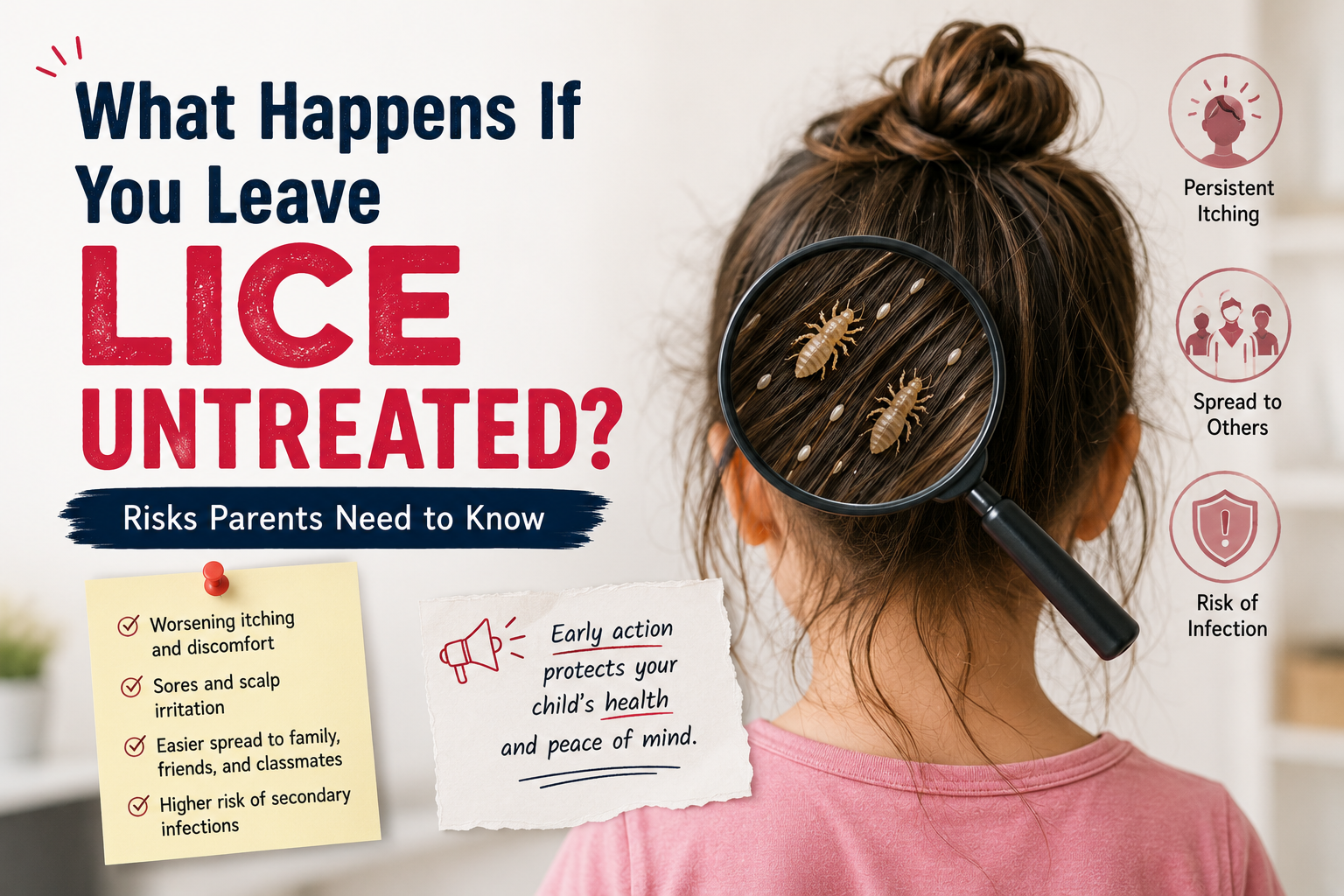
- Persistent itching
- Visible nits near scalp
- Crawling sensation
- New lice spotted
If symptoms persist, follow-up treatment is essential.
Best Practices for Complete Lice Removal
Do’s
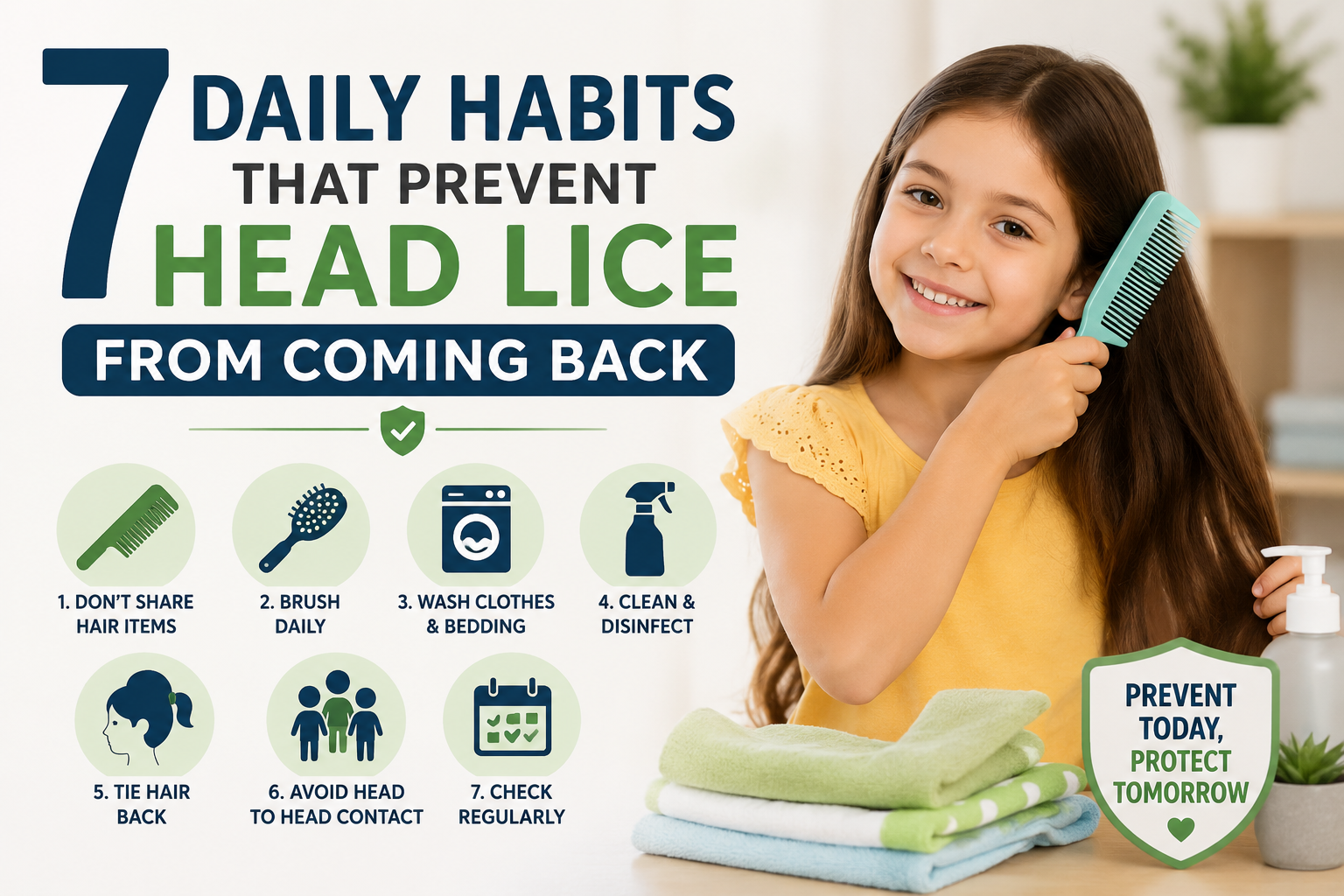
- Use fine-tooth lice comb daily
- Wash bedding and pillowcases
- Schedule follow-up treatment
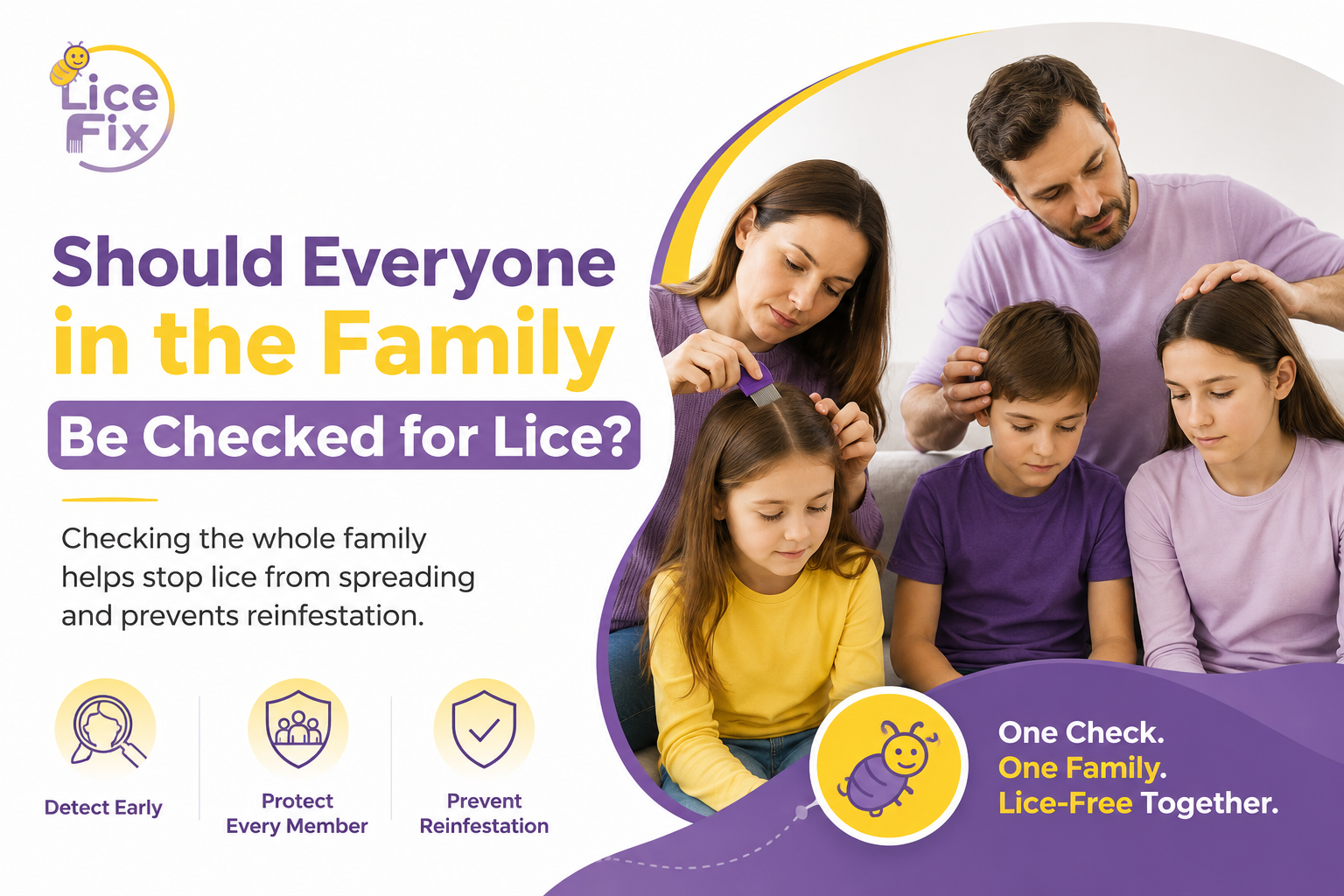
- Check all family members
Don’ts
- Don’t rely on one-time treatment
- Don’t ignore nits
- Don’t delay follow-up sessions
Why Choose Lice Fix
When it comes to effective lice removal, expertise matters.
Here’s Why Lice Fix Stands Out:
- Experienced professionals with proven methods
- Specialized in non toxic lice removal UAE solutions
- Convenient home lice removal services
- Trusted lice treatment in Abu Dhabi
- Thorough follow-up process to prevent recurrence
- Safe for children and sensitive scalps
Don’t take chances with lice—trust experts who understand the full life cycle.
How Follow-Up Ensures Long-Term Results
Follow-up isn’t just an extra step—it’s the most important step.
Benefits of Follow-Up Treatment:
- Breaks the lice life cycle completely
- Eliminates newly hatched lice
- Prevents reinfestation
- Saves time and money long-term
A complete treatment plan always includes follow-up.
FAQs
1. Why is follow-up important in lice treatment?
Follow-up ensures that newly hatched lice are removed before they can reproduce, breaking the infestation cycle completely.
2. How many treatments are needed for head lice?
Typically, 2–3 sessions are required, especially when using professional home lice removal services.
3. Are non toxic lice removal UAE methods effective?
Yes, professional non-toxic methods are safe and highly effective when combined with proper follow-up.
4. Can lice come back after treatment?
Yes, if eggs are not fully removed or follow-up is skipped, lice can return quickly.
5. How soon should I do a second lice treatment?
A second treatment should be done 7–10 days after the first.
6. Is professional lice treatment in Abu Dhabi better than DIY?
Professional treatments are more reliable as they target all stages of the lice life cycle and include follow-up care.
Final Words
Understanding the life cycle of head lice is the key to effective treatment. A one-time solution simply isn’t enough—follow-up is essential to completely eliminate lice and prevent them from coming back. Whether you choose DIY methods or professional help, consistency and timing make all the difference.
Don’t let lice take over again — take action today and ensure complete removal with proper follow-up!